





The History of Alpacas
Native to South America, the alpaca was domesticated by the Incas around 6,000 years ago. We know it’s a bushy animal with a cute face, but where does it live and what is its coat used for? So many questions to be answered...
The camelid family
South America is home to four species of camelids: llamas, alpacas, vicuñas and guanacos, spread across the Andean Mountains of Argentina, Bolivia, Ecuador, Chile and Peru. Unlike their cousins, camels and dromedaries, they don’t have humps. While llamas and alpacas are domestic animals, vicuñas and guanacos are wild. They all look quite similar, so how can you tell them apart?
The alpaca

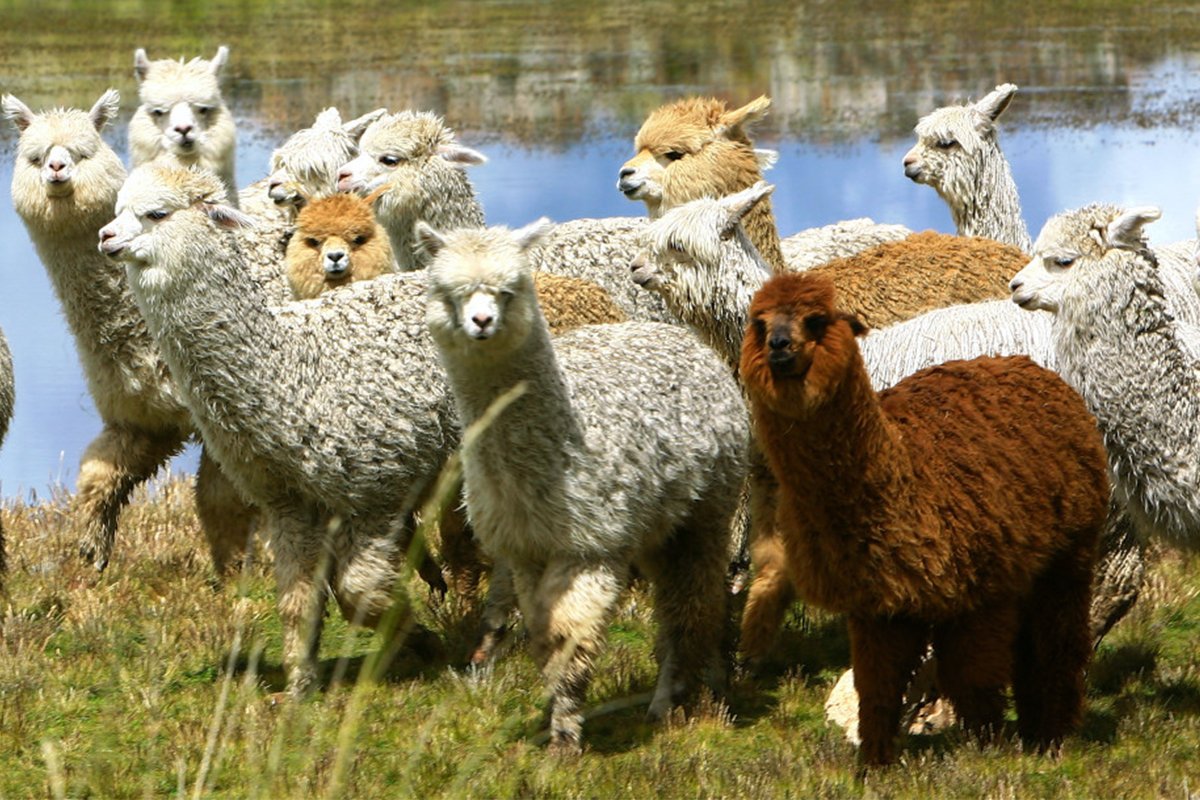
Today, the alpaca is most talked about. They live at an altitude of around 4,500 metres, and are raised for their meat and their wool. It is the most bushy of all the camelids put together! Smaller than the llama, the alpaca measures up to 1.5 metres. You can also recognize it by its small erect ears, a characteristic that differentiates it from the llama.
The llama

The animal is best known for its spitting temper tantrums (remember, Captain Haddock paid the price in TinTin and The Temple of the Sun). And yet, this is a misconception! In reality, the llama is sociable and only spits when it feels threatened. The domestic llama is the largest of the group (it can measure up to 1.9 meters and weigh 200 kg), and is raised for meat or for work, carrying or pulling things.
The guanaco
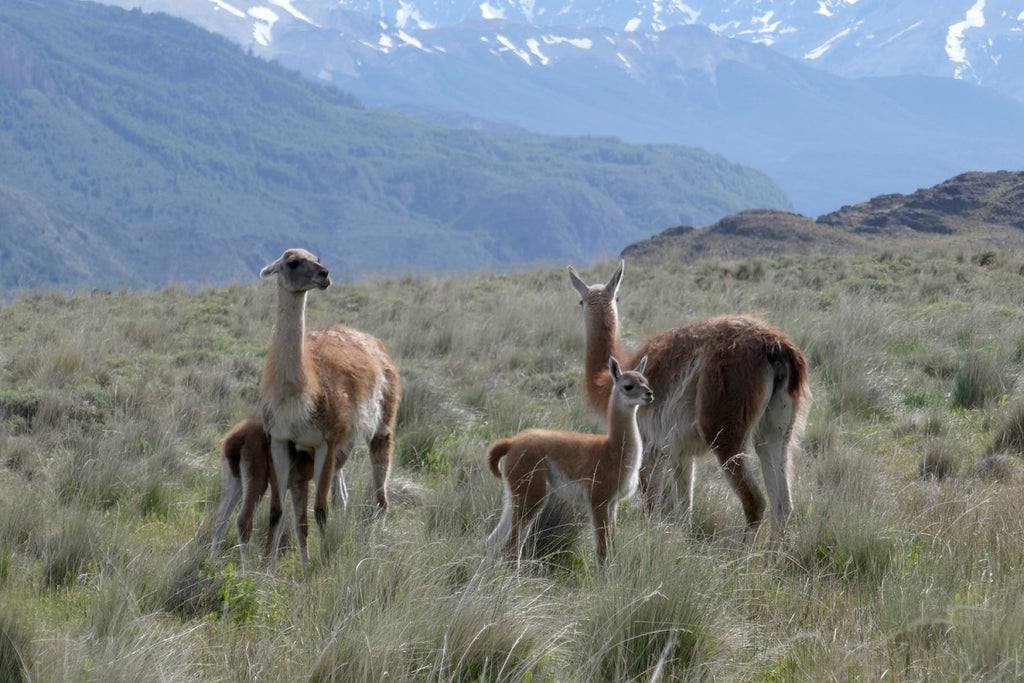
A close relative of the llama, the guanaco, found in the region of southern Peru and Patagonia, is a wild animal. Its fur is much thinner; a reddish brown coat with a grey muzzle, face and ears, while the belly and the insides of its legs are white.
The Vicuna

This camelid, also wild, lives in its natural habitat on the highlands of the Cordillera. Thin and slender, it is mainly used for its very luxurious wool. Yes, its hair is considered one of the softest in the world (even more so than the alpaca!), and it can be quite expensive.
Domesticated for 6,000 years!
Bred for thousands of years in this region, on the Andean plateaus at high altitudes, the alpaca is accustomed to extreme conditions: a 30ºC temperature difference between day and night, rarefied air, intense sun rays and icy winds.
Domesticated about 6,000 years ago, it occupies an important and symbolic place in the history of the Andean people. The Quechuas are the ancestral native people of the Inca civilization, and they have always been at the heart of alpaca breeding. For them, it’s much more than a form of agriculture, but the symbol of a life rooted in traditions and customs.
The alpaca has played a crucial role in the survival and prosperity of these people, and occupies a very important place in their culture.
The history of its fiber

Historically considered a gift from the gods, alpaca fibre was reserved for Inca nobility. With it, Native Americans made many styles of fabric for thousands of years, before it was introduced to Europe.
According to recent archaeological studies, alpaca fibre was of similar quality to that of the vicuña, before the Spanish conquest in the 1500s. The famous two-thousand-year-old Paracas textiles are believed to contain alpaca fibre.
Now democratized, Peru has developed a real industry with this wool. With globalization, we now find alpaca breeders all over the planet ... especially in Canada! Farming alpacas has grown in popularity, most likely because of its low environmental impact, and the many qualities of its coat. The fibre is lightweight and has undeniable thermal power.
To discover the countless qualities of alpaca wool, click here!